What Does DAN Say About Fatigue and Diving?
Anyone who's done more than a handful of dives knows that fatigue is a sneaky companion. It's not just the physical exertion underwater, but a complex mix of factors ranging from dehydration to mental stress that can weigh heavily post-dive. As dive enthusiasts, we all want to maximize our underwater time safely—and that's where the Divers Alert Network (DAN) provides invaluable guidance on managing fatigue and maintaining dive fitness.
Understanding Fatigue Through the Lens of DAN
DAN has long been a trusted voice for divers worldwide, offering research-backed insights and safety tips. Their advice around fatigue is no exception. Dive fatigue isn’t simply being tired after a dive; it is a unique physiological and psychological state that can affect a diver's judgment, physical performance, and overall safety.
Several contributors to fatigue include:
- Physical exertion during dives, including finning against currents or carrying heavy gear.
- Dehydration, which can occur quickly in a marine environment.
- Under-rest or poor quality sleep in the days leading up to diving.
- Mental stress, especially for new divers or those tackling challenging diving conditions.
- Inadequate surface intervals that don't allow the body to fully recover.
DAN emphasizes that recognizing the signs of fatigue early can prevent accidents and ensure enjoyable dives.
The Role of Surface Intervals: More Than Just Rest
One point DAN highlights is that proper surface intervals are crucial not just for decompression safety but also as vital windows for relaxation and social bonding. Think about it: after surfacing, those moments stretching out on the dive boat’s deck or the sandy beach are opportunities to recalibrate physically and mentally.
During these intervals, hydration and nutrition are key. A common mistake is assuming that a quick gulp of water is sufficient, while Click here to find out more in fact, consistent sipping and electrolyte replenishment can accelerate recovery. DAN's hydration advice dovetails perfectly with its fatigue management principles.
Beyond physics and physiology, surface intervals are when divers swap stories, share cool sightings, and gear up mentally for the next dive. This social aspect isn’t just fun—it can ease anxiety and improve group cohesion, reducing mental stress.
Liveaboards: The Appeal of Limited Options
As someone who's logged dives on both remote island resorts and multi-day liveaboards, I've come to appreciate how liveaboard routines inherently support fatigue management.
Why? Because they offer a controlled environment with fewer distractions and limited decisions to make. On a busy island resort, divers might feel pressured to cram in dives, social events, or sightseeing. Liveaboards streamline the experience: three to four dives a day, meals together, set times for gear rinsing, lounging, and downtime.
This simplicity helps conserve energy, which is exactly what DAN recommends. The routine also naturally enforces proper surface intervals and encourages hydration and rest.
Post-Dive Evenings: A Shift in Pace
There's an underrated magic to evenings after dives, especially once your gear is rinsed and stowed. DAN reminds divers to avoid overpacking schedules for these periods. This is the time when your body signals the need to unwind.
From personal experience, evenings are when I prefer to let the day's adrenaline ebb and enjoy slower, offline moments, like reading an ebook or listening to podcasts I pre-downloaded on my tablet or phone. It helps keep my mind engaged without taxing my fatigue levels.
Many divers underestimate how deliberately slow and restful these moments need to be. Turning every night into a 'must-do' event only adds mental strain that ripples into the next dive day.
Offline-First Digital Entertainment for Fatigue Management
Speaking of tablets and phones, DAN subtly encourages divers to embrace offline-first digital planning when it comes to entertainment during dive trips.
Why? Because remote dive locations and liveaboards often have unreliable WiFi, and relying on streaming or constant connectivity can lead to frustration and wasted energy. I always keep a mental checklist before heading out:
- Pre-download favorite podcasts that are dive-themed or relaxing.
- Load up on ebooks or audiobooks with offline access.
- Download offline maps or dive site info for reference between dives.
- Ensure my device batteries are charged and have backups ready.
This preparation creates guilt-free chill time, which boosts both mental and physical recovery. DAN supports this approach as part of a broader strategy for staying fit and alert underwater.
DAN's Recommendations for Dive Fitness, Hydration, and Rest
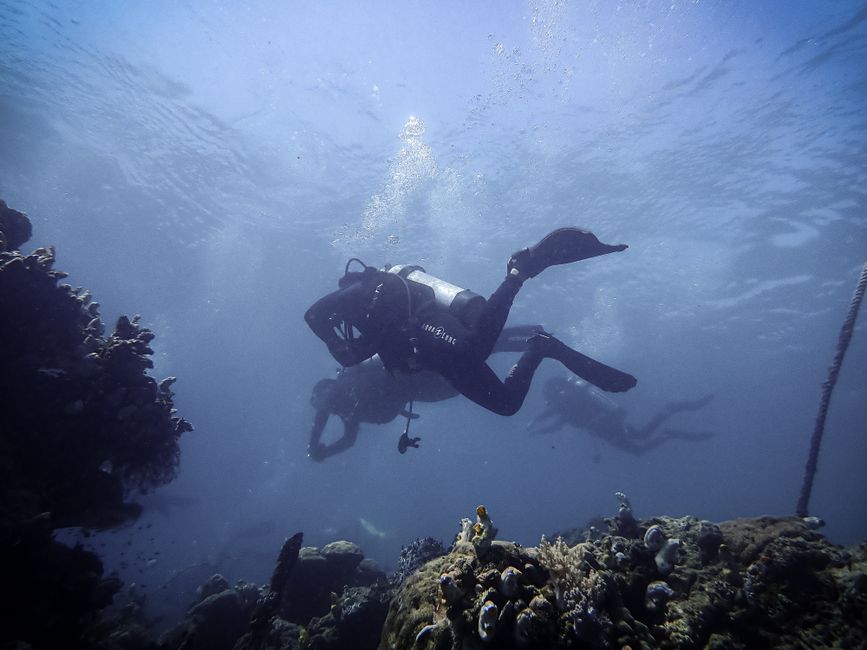
Let's recap some of DAN's top actionable tips for managing fatigue:
Final Thoughts: Listen to Your Body and Dive Safely
DAN's guidance on fatigue is a crucial reminder that the dive experience doesn't https://dlf-ne.org/best-conversation-starters-with-strangers-on-a-dive-boat/ begin and end underwater. It encompasses the quieter, often overlooked moments between dives where real recovery happens.

As divers, respecting our physical limits, planning surface intervals as more than just "waiting periods," and embracing slower post-dive routines supported by offline entertainment are simple yet powerful ways to stay fit and safe. Remember, the most rewarding dives are the ones where you surface energized and ready for the next adventure—not burned out and fatigued.
So next time you pack your dive bag, don't just think about fins and masks. Give equal attention to how you’ll hydrate, rest, connect with friends on the boat, and unwind with pre-downloaded podcasts or ebooks. Your body—and DAN—will thank you.