Post Dive Gear Rinse Routine on a Boat: A Liveaboard Diver’s Guide
Coming up from a thrilling dive and stepping back onto the boat’s deck, the day’s adventures don’t end just yet. If you’ve ever been on a liveaboard or island dive resort, you know the subtle shift in pace that happens between your final dive and the quiet evening. This transition is all about rituals: rinsing and storing equipment properly, savoring surface intervals as moments of relaxation and social bonding, and preparing for cozy offshore evenings with thoughtful offline entertainment. In this post, I’ll tuffpfp.com walk you through my tried-and-true post dive gear rinse routine on a boat, peppered with liveaboard tips and reflections on the unique vibe of dive trip downtime.
Why the Post Dive Gear Rinse Routine Matters
The moment you climb back onto the boat marks the start of what I call the end of day dive phase — where the adrenaline eases, muscles relax, and gear gets the tender loving care it deserves. Properly rinsing and storing equipment isn’t just about preservation; it’s about respect for your trusty tools that enable these aquatic adventures.
Saltwater and sand are notoriously corrosive on dive gear, and the combination of sun, ocean spray, and humidity on a liveaboard can accelerate wear if you skip this step. Taking the time to rinse and store equipment extends its lifespan and ensures every dive starts with gear in top shape.
Essential Steps in Rinsing and Storing Dive Gear
- Rinse with fresh water immediately: Use the dedicated rinse tanks or fresh water hoses aboard. Phone rinsing here? No, but your dive computer and masks need prompt care.
- Flush regulators: Carefully rinse regulators, ensuring no water enters the first stage. Some sailors have handy rinse buckets filled with fresh water just for this.
- Dry gear well: After rinsing, hang your wetsuit, BCD, and fins in the shade on line or dedicated racks. Avoid direct sun to prevent neoprene degradation.
- Remove residual sand: Sand lurking in pockets, zippers, and hoses is a sneaky gear killer. Give these areas close attention.
- Store electronics safely: Your dive computer and underwater camera should be dried and stored in padded cases. And yes, phones and tablets come next, but not before offline prep.
Surface Intervals: More Than Just Wait Time
Many divers treat surface intervals as a dull necessity, waiting for nitrogen to off-gas before the next dive. But on a liveaboard, surface intervals become a subtle art of relaxation and social bonding. While your gear is getting some pampering, you get to ease into the slower rhythm onboard, swapping stories with dive comrades or simply soaking in the ocean breeze.
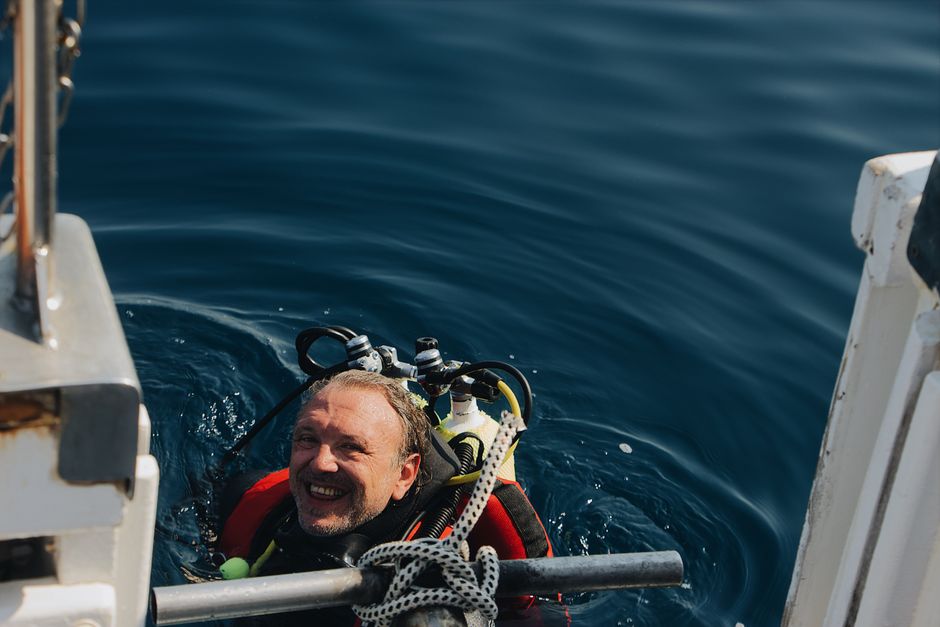
The Charm of Limited Options
Unlike a land base, a liveaboard usually offers limited distractions—no buzzing neighborhoods, no big night markets, and often patchy, if any, internet connectivity. Honestly? This is part of the charm. It encourages you to be present. Conversations flow easier without smartphones vying for attention. Sometimes, the best way to pass surface intervals is simply to sit on the deck, watch the horizon, and share observations about the last dive.

Comparing Dive Logs
One of my quirks on trips is comparing what different folks saw at the same site. It’s fascinating how two divers can witness completely different marine life or behaviors, reinforcing just how subjective and magical diving is. Swapping notes during surface intervals builds connection—not to mention the laughs when someone recounts a cheeky fish interaction or a near encounter with a curious turtle.
Post-Dive Evenings Onboard: The Shift in Pace
Once gear is rinsed and hung, food is served, and daylight cools into dusk, the atmosphere below deck shifts again. These post-dive evenings are less about activity and more about unwinding—savoring simple meals, reading, or chatting.
I particularly appreciate the contrast after rinsing gear: the smell of saltwater fades as breathers saturate the air, and the urgency of the day’s schedule dissolves. No frantic packing or “must-do” evening tours, just gentle decompression.
Tips for a Balanced Onboard Evening
- Embrace the offline-first mindset: WiFi onboard liveaboards is a luxury, often spotty or very slow. I always keep my phone and tablet ready with downloaded ebooks, podcasts, and offline maps to avoid disappointment.
- Stay present with crew and guests: Dive trips are short—many friendships start and flourish in this contained environment. I’ve found these nights often build bonds stronger than the dive itself.
- Skip the overpacked schedules: Many trips tempt divers with nighttime snorkeling or dive briefings after dinner. Sometimes I skip if I feel myself burning out. There’s no rule that every evening must be an ‘event’.
Offline-First Digital Entertainment Planning
One of my mental checklists before liveaboards is ensuring my digital content is ready to go without internet access. The off-grid lifestyle of dive boats—especially multi-day trips—means you cannot assume reliable WiFi. Here’s how I prep:
- Pre-download podcasts: Focus on dive-related stories, marine conservation talks, or even light-hearted fiction for post-dive wind-down.
- Stock ebooks and PDFs: Guidebooks, dive manuals, or novels come in handy for quiet moments.
- Prepare offline maps and apps: Apps like MarineTraffic or dive site databases that once loaded stay usable without connection.
- Manage device storage and battery: Charging stations can be limited on boats. I bring a power bank and grid management gear to save power for evenings.
Liveaboard Tips: Balancing Rituals and Relaxation
Challenge Tip Benefit Rushing Post Dive Rinse Assign a dedicated rinse time slot right after each dive Prevents gear damage and reduces end-of-trip burden FOMO and Overpacked Evenings Choose 1-2 must-attend activities; rest on other nights Prevents burnout and keeps energy for diving Unstable Internet Download all digital media and maps before trip Ensures entertainment and planning tools are accessible Gear Storage Space Use labeled dry bags and hangers onboard Keeps equipment organized and easy to locateWrapping Up: Embracing the Quiet Moments Between Dives
For me, diving isn’t just about the thrill under the waves but also about those fleeting moments on the boat afterward—the quiet satisfaction of rinsing and storing gear, the shared laughter during surface intervals, and the ease of an evening that doesn’t demand more than just being. The deliberate shift from underwater excitement to above-water calm is part of what makes liveaboards rewarding.
So next time you step onto your dive boat after that final plunge, resist rushing through the rinse routine or the down time. Take a deep breath, soak it all in, connect with your gear and your fellow divers, and enjoy the slow rhythm of life on the water.
Happy diving—and happy rinsing!